I started about as far from the decision as you can get.
I trained as a biomedical scientist. Translational oncology — three-dimensional cancer models, personalised medicine, work that ends in a published paper.
It mattered. It was also a long way from the patient.
So I moved. First to clinical trials, where the science meets an actual person on an actual timeline. Then to the partners running those trials across organisations and continents. Then to advising the organisations themselves.
Every step took me further from the bench and closer to the thing I actually wanted to be near: the moment something gets decided, and someone acts.
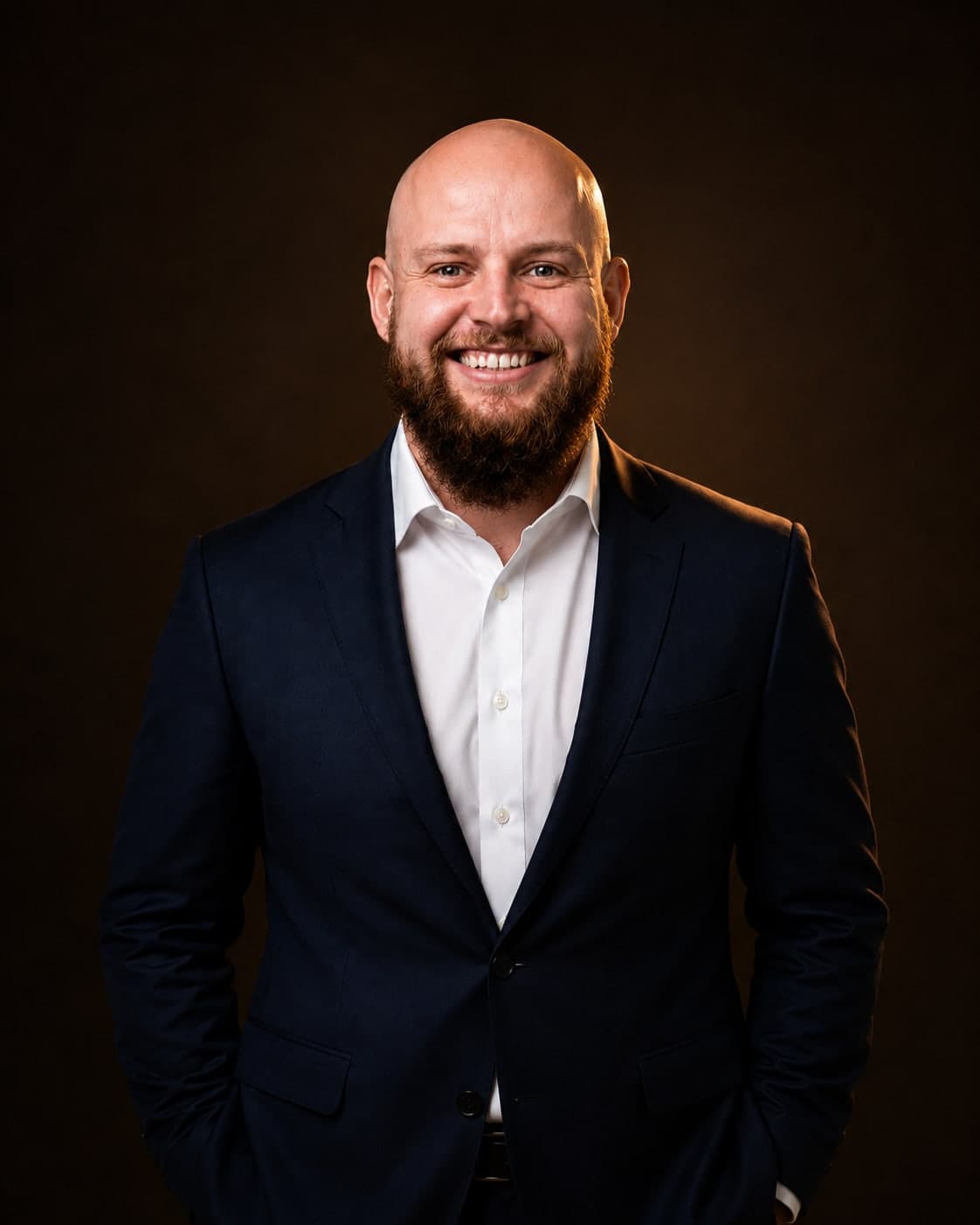
It always came down to a person.
Every organisation I worked in had a chart. None of them ran on it.
What actually moved things was smaller and more human than that: someone who had seen the problem clearly, someone else who trusted their judgement, a conversation that either happened or didn't.
I kept moving closer to that — further from the structures, nearer to whoever was actually deciding. Frameworks were only ever useful because they helped a person see.
Where the method came from.
My work has been in life sciences throughout — research, clinical development, and the operations that carry a treatment to the people waiting for it. It is the least forgiving environment I have worked in. Timelines do not move because it would be convenient, and you cannot narrate your way past a process that doesn't hold.
That is where Reality First stopped being a phrase and became a method.
And it is why I work with founders.
With a founder it is n = 1. You hold the decision, and you have direct access to make it happen. Nothing in between.
That is as close to the action — and to the value — as I have found.
I work with a small number of founders alongside that. Deliberately — it is what keeps the work good.